

How Does an Automatic Parking System Work?
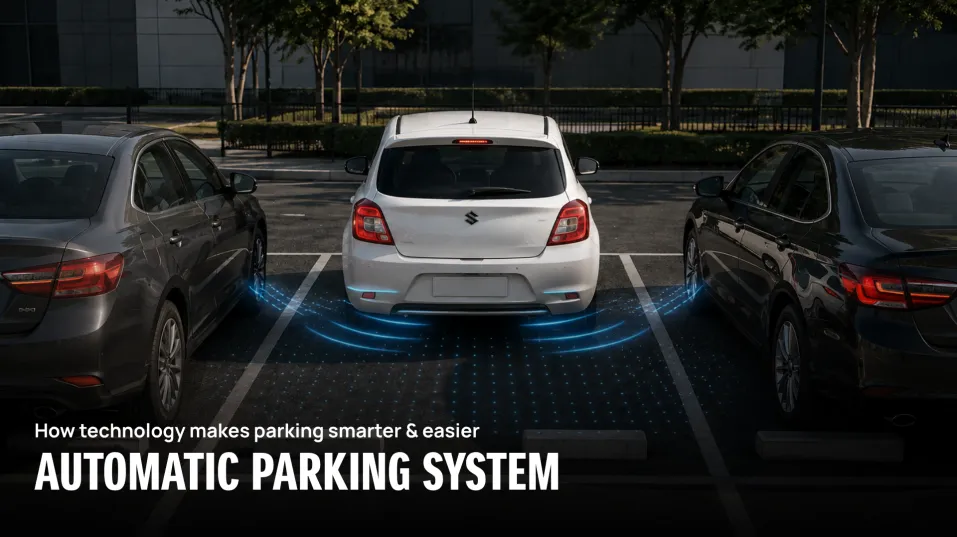
Automatic parking systems are reshaping the driving experience, especially in crowded cities where every inch of parking space matters. By combining sensors, cameras, and software, these systems can park vehicles with little or no driver intervention.
To solve this issue, Automatic Parking Systems (APS) are designed to take the stress out of parking. These intelligent systems use cutting-edge technology to detect spaces, avoid obstacles, and park your car safely—often without any input from the driver.
In this simple guide, we will explain:
- What automatic parking systems are
- How it works
- Their benefits
- Tips for using them
- The future of parking assistance
What Are Automatic Parking Sensors?
Automatic parking sensors are a part of a driver assistance technology designed to assist drivers in parking their cars more conveniently, precisely, and safely by sensing obstacles and assisting in the parking manoeuvre. Automatic parking sensors normally employ ultrasonic technology to gauge the distance between the car and surrounding objects, warning the driver with sounds or lights as the car draws closer to obstacles.
Ultrasonic Sensors
Ultrasonic sensors send out sound waves that hit nearby objects & bounce back. These automatic parking sensors check how long it takes for the sound to return & calculate the distance between the vehicle and the object.
These sensors help drivers park safely by warning them about obstacles. It gives alerts when the vehicle gets too close to something, especially while reversing.
Infrared Sensors
Infrared sensors send out invisible light & check how it bounces back from nearby objects. This automatic parking sensor helps them detect obstacles in real time.
These sensors are often used with cameras to improve parking accuracy. It helps spot nearby vehicles or people while parking.
Radar Sensors
Radar sensors use radio waves to find objects around the car. It works in all weather & can detect both moving and still objects.
These automatic parking sensors are useful for adaptive cruise control & parking assistance.
Cameras
Cameras give a live view of the vehicle. It captures real-time images and will assist the drivers to understand the obstacles & find parking spaces.
Most of the high-end vehicle models have rearview cameras that turn on when reversing. These automatic parking sensors give a clear view of what’s behind the vehicle.
LiDAR (Light Detection and Ranging)
LiDAR uses laser light to measure distance & make a 3D map around the car. This helps it detect objects very accurately.
LiDAR is mainly used in self-driving cars to help them drive safely, even in difficult places. Each automatic parking sensor helps automatic car parking systems work properly, making parking safe & simple for drivers.
How Do Automatic Parking Systems Work?
Automatic parking systems use different technologies to make parking easy & smooth. Here’s how it usually works, step by step:
Step 1: Entry Point
When you reach a parking area with an automatic car parking system, you will find a place to leave your car. Some systems may ask you to book a spot earlier using an app or website.
Step 2: Vehicle Detection
After you park your car at the entry point, sensors detect it. The system then takes control from there.
Step 3: Automated Movement
After finding your vehicle, the system takes control. It uses lifts or conveyors to move your vehicle to an empty parking spot, without any need for human intervention.
Step 4: Space Optimisation
One of the biggest advantages of employing APS is it saves space. Since there will be no requirement for lanes or walkways, more vehicles can be parked in smaller areas easily in comparison to regular parking.
Step 5: Retrieval Process
APS can bring your car to the pickup spot automatically when you request it using a touchscreen kiosk or mobile app.
Step 6: Safety Features
Most automatic car parking systems have safety features like obstacle detection & emergency stops. These features help prevent accidents while parking & taking the car out.
Benefits of Using Automatic Parking Systems
Automatic parking systems offer numerous benefits that make them an attractive option for drivers:
Space Efficiency
Automatic car parking systems help you park in small spaces more easily than manual parking. It doesn’t need wide aisles or ramps, making them the best choice for limited parking areas.
Time Savings
Using an automatic parking system, drivers can easily park their vehicles without wasting much time and without any human intervention. This makes parking easy, reduces stress & adds more convenience when you reach your destination.
Enhanced Safety
With advanced sensors & cameras, APS reduces human errors while parking. It helps prevent accidents linked to manual parking, making it safer for both drivers & pedestrians.
Convenience
With an auto car parking system, you can park your car without getting out. This is very helpful in busy cities where space is limited. You can drop off passengers or load your things without worrying about finding a parking spot first.
Environmental Impact
Auto car parking systems use space better & help reduce pollution. Since you won’t be driving around to find a spot, less fuel will be wasted, and there will be less smoke. This will help keep your city cleaner and more eco-friendly.
Reduced Wear on Vehicles
Auto car parking systems park cars more carefully than humans. This reduces the chances of small scratches or bumps that can happen while parking manually.
Automatic parking systems are useful for both city planners & drivers. It helps make better use of space in crowded areas and provides an easy parking solution for daily use. This makes them a smart choice for modern cities and busy people.
Things to Remember When Using Automatic Parking Assist
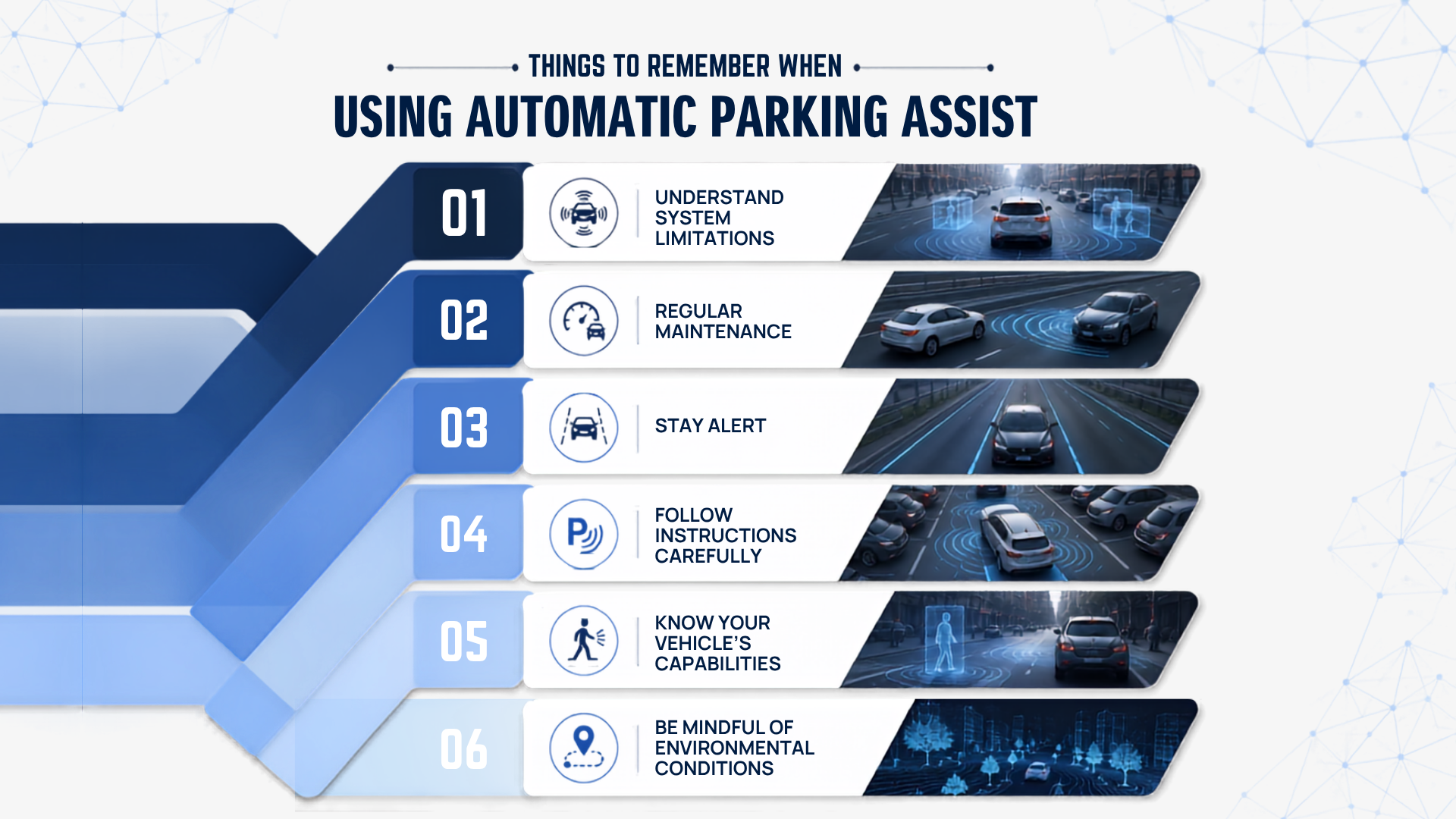
While automatic parking assist systems are designed for convenience, there are practical considerations that drivers should keep in mind:
Understand System Limitations
Automatic parking systems are smart, but they may not work perfectly in every situation. In very tight or complicated spaces, it might find it difficult to park the car smoothly.
Regular Maintenance
Keep all sensors and cameras clean and working properly. Regular check-ups help avoid problems while using the system.
Stay Alert
Stay alert while using auto car parking systems. If you see any obstacles or something feels wrong, be ready to take control if needed.
Follow Instructions Carefully
Follow the system’s instructions while parking and taking out your car. Ignoring them can cause problems or delays.
Know Your Vehicle’s Capabilities
Learn about your car’s automatic parking features, as it may work differently in each model. Knowing how it functions will help you use them better.
Be Mindful of Environmental Conditions
Be careful when using automatic parking in bad weather, like heavy rain or fog. Sensors may not work well due to poor visibility or wet roads.
By following these simple tips, drivers can use automatic parking systems better while staying safe and making their journey smooth.
Future Developments in Parking Assistance Technology
The future of automatic parking systems in India looks bright as technology is improving quickly. Here are some important changes we can expect:
1. Integration with Smart Cities
As Indian cities grow into smart cities, automatic parking will become part of a bigger plan to manage traffic and connect with public transport. This will make travel smoother and more convenient for everyone.
2. AI Enhancements
Artificial intelligence (AI) will help automatic parking systems make smarter decisions. It will use real-time data from traffic and user behaviour to adjust to different situations, making parking faster and more efficient.
3. Increased Adoption Rates
As more people in India move to cities and buy vehicles, space for parking is becoming a big challenge. To solve this, more residential buildings and commercial places will start using automatic parking systems to save space and make parking easier.
4. Sustainability Focus
In the future, automatic parking systems will focus on using eco-friendly technology to save energy. This will help protect the environment while making parking more efficient.
As these improvements continue, it will make parking easier for drivers and support the growth of smart and sustainable cities in India.
Conclusion
An automatic parking system is one of the greatest technologies that solves parking problems. With automation & smart automatic parking sensors, this technology can make parking safer, easier & efficient. It saves time, parks without hassle, and reduces stress.
So, the next time you are planning to buy a new vehicle, go for a vehicle with an auto parking system – you will be surprised at how simple & convenient it is!