
What is Adaptive Cruise Control and How Does ACC Work?
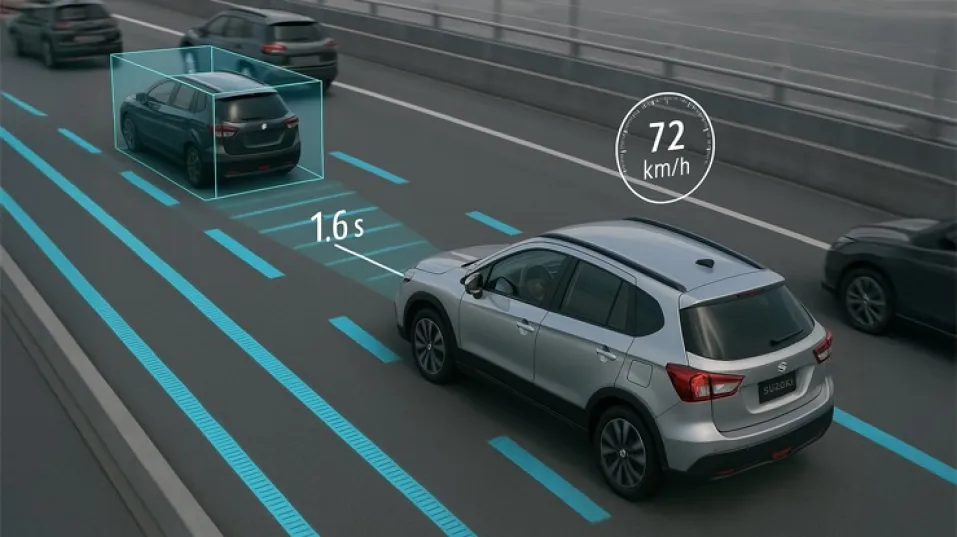
Adaptive Cruise Control (ACC) is an advanced driver-assistance system that automatically adjusts a vehicle's speed to maintain a safe distance from the car ahead, reducing driver workload & improving safety, especially in traffic. Modern cars with cruise control often include ACC for enhanced convenience.
(ACC) Adaptive Cruise Control automatically adjusts a vehicle's speed to maintain a safe distance from the car ahead. Unlike traditional cruise control of vehicles, which sustains a constant speed, ACC uses radar & cameras to monitor traffic. Thus, it slows down or accelerates as needed. This way, the autonomous cruise control system enables smoother & safer driving, especially in heavy traffic conditions.
Key Features of Adaptive Cruise Control
- Automatic Speed Adjustment – Matches speed with traffic flow (adaptive speed control).
- Safe Following Distance – Reduces the risk of sudden braking.
- Less Driver Fatigue – Makes long drives more comfortable(advanced cruise control).
- Collision Prevention – Helps avoid rear-end accidents.
- Smart Technology – Uses sensors, radar, and cameras for real-time road monitoring (auto adaptive cruise control).
ACC plays a key role in modern driver assistance systems and is a crucial step toward fully Autonomous Vehicles
How Does ACC Work?
Adaptive cruise control keeps the car at a steady speed while also maintaining a safe distance from the vehicle in front. The system works with radar, sensors, and cameras to monitor traffic. This makes driving easier and safer, especially while navigating through congestion.
Sensing the Environment
Front-mounted sensors, such as radar, cameras, or LiDAR for cars, constantly scan the road to detect vehicles ahead. This is a key feature in cars with adaptive cruise control.
Data Processing
An onboard computer analyses this sensor data thousands of times per second. It decides if the car needs to slow down or speed up to maintain a safe following distance, which is how (ACC) Adaptive Cruise Control cars manage traffic smoothly.
Executing Speed Changes
The system automatically adjusts the throttle & brakes to match the flow of traffic. This is part of advanced cruise control or adaptive speed control systems. It ensures a comfortable & safe ride.
Following
When a slower vehicle is detected, the cruise control adaptive system reduces speed to maintain the set distance. This keeps the journey safe & relaxed.
Resuming
Once the road ahead clears or the lead vehicle accelerates, the car returns to the original cruising speed. This is how most cruise control systems work.
Stop-and-Go
In heavy traffic, some systems, like acc adaptive cruise control or autonomous cruise control systems, can bring the car to a complete stop & resume automatically when traffic moves again. This reduces driver effort in congested conditions.
The system works through a continuous cycle of sensing, processing, & acting. This makes driving safer and more convenient for ACC cruise control cars.
Types of Adaptive Cruise Control
Different adaptive cruise control systems use various technologies to monitor traffic & adjust speed. Here are the main types:
- Radar-Based ACC - Uses radar sensors placed near the cruise control vehicle. These sensors track nearby cars, helping adjust speed & maintain a safe gap. They work well in most conditions.
- Laser-based ACC - This cruise control adaptive operates through a laser unit, often placed in the grille. Detects objects ahead but struggles in rain & fog. Less common than radar-based cruise control systems.
- Binocular Vision ACC - Relies on small cameras near the rearview mirror. The cruise control of car captures real-time visuals of the road - a newer adaptive cruise system designed for precise object detection (adaptive cruise control cars).
- Assisting Systems - Enhances active cruise control, adaptive with extra features. Includes lane assist, emergency braking, and proximity alerts. This is often sold as an add-on (adaptive cruise control) in cars.
- Multi-Sensor ACC - The advanced cruise control in a car combines different sensor types, like radar, cameras, & GPS. Provides a broader view of surroundings, improving accuracy. Found in high-end auto adaptive cruise control systems.
- Predictive ACC - Uses AI and sensors to anticipate traffic changes. Adjusts speed if a nearby car seems likely to switch lanes. Enhances safety in busy conditions.
Modern cars with cruise control systems are constantly evolving. With better tech and affordability, more cruise control cars now come equipped with these ADAS features.
Step-by-Step Guide to Using Adaptive Cruise Control
Adaptive Cruise Control is an advanced driver-assistance feature that automatically adjusts your vehicle’s speed to maintain a safe distance from the vehicle ahead.
Step 1 - Activate the System
- Press the cruise control button on the steering wheel.
- A white icon will appear, indicating the system is ready.
Step 2 - Set Your Speed (Cruise control of the car)
- While driving, press Set at your preferred speed.
- The icon will turn green, confirming activation.
Step 3 - Adjust the Following Gap
- Adapted cruise control uses the Gap Setting button to select Far, Medium, or Near.
- The distance adjusts automatically based on speed.
Step 4 - Auto Speed Adjustment
- Some cruise control cars detect speed limits.
- Accept or deny speed updates using Resume (+) or Set (-).
Step 5 - Stop-and-Go Functionality
- Press Set while holding the brake to activate at a standstill.
- Release the brake and press Resume to accelerate.
Step 6 - Switching Between Modes
- Hold Cancel to toggle between ACC and standard cruise control vehicle mode.
Step 7 - Turning Off the System
- Tap the brake, press Cancel, or turn off auto adaptive cruise control.
If you press the accelerator while the adaptive cruise control system is active:-
- Automatic braking pauses
- The indicator changes colour
- Normal operation resumes when the pedal is released.
Safety Tips
- Autonomous cruise control assists with speed but does not handle steering.
- It may not detect stationary or slow-moving vehicles, so remain alert.
- Avoid using the system in heavy traffic, sharp curves, or steep inclines.
- ACC cruise control does not respond to traffic signals, so you must manually brake.
- When the vehicle is heavily loaded, system performance might suffer.
Mastering adaptive cruise control enhances driving convenience and safety. Understanding these features ensures you make the most of this auto cruise control system while staying in control at all times.
Advantages of Adaptive Cruise Control
Adaptive cruise control makes driving easier and safer by automatically changing the car’s speed to maintain a safe distance from other vehicles. Unlike standard cruise control, it responds to traffic changes in real-time, making the ride smoother and more effortless.
Why is it Beneficial:
- Improved Road Safety – By keeping a consistent gap, ACC helps prevent sudden stops and lowers the chances of rear-end collisions.
- Better Fuel Economy – Maintaining a steady pace enhances fuel efficiency, leading to improved mileage.
- Less Driver Fatigue – Long highway drives become easier as the system eliminates the need for frequent braking and acceleration.
- Optimised Traffic Flow – By adjusting speed intelligently, ACC helps reduce congestion and ensures smoother movement.
- Enhanced Comfort & Control – Found in premium cruise control vehicles, auto-adaptive cruise control enables effortless speed regulation.
More car makers are adding smart cruise control, making it a common feature in modern cars that adds comfort and safety.
Challenges of Adaptive Cruise Control
- Limited in Extreme Weather – Rain, fog, and snow can affect the sensor performance of the autonomous cruise control system.
- Complex Road Conditions – Unpredictable traffic behaviour can impact system accuracy.
- Higher Vehicle Costs – Adaptive speed control is often available in premium models.
- Manual Override Required – The driver must remain attentive and intervene when needed.
Despite these challenges, continuous advancements in autonomous cruise control technology are improving system reliability.
Also Read: Everything You Need to Know About Connected Vehicles
How Much Does an Adaptive Cruise Control System Cost?
The cost of ACC cruise control varies depending on the manufacturer, vehicle model, and features. Retrofitting auto cruise control systems into older vehicles is complex and costly, often exceeding factory-installed options. In India, earlier manufacturers primarily included ACC in high-end models. But now, even vehicles priced under ₹10 lakh come equipped with this feature.
As cars with cruise control become more common, prices are expected to decrease over time. Maintenance for this system is minimal since it mainly relies on software and rarely develops issues. If there is a problem with the control buttons or sensors, replacements can cost between ₹15,000 and ₹20,000. The price depends on the car model and service centre fees.
To keep expenses in check, get a professional diagnosis before any repairs. Check prices at multiple service centres and explore high-quality aftermarket parts for smaller repairs to save on costs. Check if your cruise control vehicle is under warranty. Some manufacturers pay for repairs and replacements of cruise control systems.
Also Read: What is AI in Automotive?
Future of Adaptive Cruise Control on Indian Roads
With traffic density increasing, cars with adaptive cruise control will improve road safety & driving comfort. AI-powered systems will further enhance adaptive cruise control and adaptive speed control in urban environments.
Upcoming regulations on Advanced Driver Assistance Systems (ADAS) may speed up the use of adaptive cruise control in all types of vehicles. Future advancements will likely include AI-powered decision-making, thus improving adaptive speed control in complex urban environments.
Conclusion
The Adaptive Cruise Control system (ACC) is a transformative technology that improves driving efficiency, safety, and comfort. By dynamically adjusting vehicle speed, ACC reduces driver workload and enhances fuel economy. Challenges like poor performance in bad weather and tough road conditions still exist. However, new innovations are making it more effective and easier to use.
The future looks promising as the demand for adaptive cruise systems grows, especially in countries like India. As more cars, including auto cruise control and AI improve, these systems will greatly impact the future of transportation.